Introduction to the Gutenberg Block Editor
- -->> 1. Introduction to the Gutenberg Block Editor
What you'll learn
 Gutenberg's Architectural ShiftReact and Block DevelopmentExtensibility for DevelopersModern WordPress Development Opportunities
The landscape of WordPress content creation underwent a monumental transformation with the introduction of the Gutenberg Block Editor. No longer just a simple text editor, Gutenberg re-imagined the entire editing experience, shifting from a monolithic content area to a modular, block-based system. For developers, this change wasn't merely cosmetic; it represented a profound architectural pivot that introduced modern JavaScript frameworks and component-driven development principles directly into the heart of WordPress. Understanding these shifts is crucial for any developer aiming to build robust, future-proof solutions within the WordPress ecosystem.
Understanding the Architectural Shift
At its core, Gutenberg signifies WordPress's move towards a more modern web development stack. The traditional PHP-centric approach to content editing has been complemented, and in many ways superseded, by extensive client-side JavaScript. This transition has opened up a wealth of possibilities but also demands a new skillset from developers.
React and JavaScript Dominance
The most significant architectural shift is the heavy reliance on React.js. Gutenberg is built almost entirely using React components, providing a dynamic, interactive, and highly responsive user interface. This means that manipulating the DOM, managing state, and rendering content within the editor are all handled by React. Developers familiar with modern JavaScript development, particularly React, will find many concepts instantly recognizable and applicable.
Beyond React, a suite of other modern JavaScript tools and APIs underpins the editor. This includes Redux for state management, Webpack for asset bundling, and Babel for JavaScript transpilation. These tools collectively create a powerful and flexible development environment, moving WordPress closer to contemporary front-end development standards.
The Block Paradigm
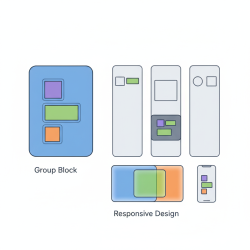
The "block paradigm" is fundamental to Gutenberg's design. Every piece of content, from a simple paragraph to a complex gallery, is treated as an independent block. Each block is a self-contained unit with its own settings, styling, and functionality. This modularity offers significant advantages for both users and developers.
For users, it simplifies content creation by allowing them to intuitively build layouts with distinct components. For developers, it means a clear, component-based approach to extending the editor. Instead of hooks and filters injecting HTML into a textarea, developers now create custom React components that are registered as blocks, complete with their own edit and save functions.
Core Concepts for Developers
To effectively work with Gutenberg, developers need to grasp several core concepts that differentiate it from previous WordPress development approaches.
Blocks are Components
Think of each block as a standalone component. It has its own structure (how it renders in the editor), its attributes (the data it stores), and its controls (the UI elements for editing). Developers define these aspects using JavaScript. The edit function defines how the block appears and behaves in the editor, while the save function dictates the HTML output that will be stored in the database and displayed on the front end.
Data Management
Gutenberg leverages its own data store, wp.data, which is inspired by Redux. This API allows blocks and plugins to manage their state efficiently. Understanding wp.data is vital for creating interactive blocks, managing global editor settings, and integrating with other parts of the WordPress administration interface. It provides a centralized way to access and modify data within the editor context.
Extensibility
The editor is designed to be highly extensible. WordPress provides a rich API for developers to:
- Register new custom blocks, tailoring content types to specific needs.
- Extend existing blocks by adding new controls or modifying their behavior.
- Customize the editor interface, such as adding new panels, buttons, or sidebar elements.
- Integrate with WordPress REST API to fetch and save custom data.
- Create block variations for different use cases of a single block type.
This extensibility ensures that while Gutenberg provides a powerful default experience, it remains flexible enough to meet the diverse requirements of different websites and applications.
Developer Opportunities
The architectural shifts within Gutenberg have created a vibrant new landscape of opportunities for WordPress developers.
Custom Block Development
This is arguably the most significant opportunity. Developers can create highly specialized blocks that perfectly match design systems or application functionalities. Instead of relying on shortcodes or custom fields, custom blocks offer a visually intuitive and integrated editing experience. This leads to cleaner code, better performance, and a superior user experience.
Plugin and Theme Integration
Themes can now define block styles, provide block patterns, and even register their own block templates for posts and pages. Plugins can extend existing blocks, add new inspector controls, or develop entire suites of related blocks for specific functionalities (e.g., e-commerce product displays, form builders, dynamic content). This deep integration allows for more seamless and powerful solutions.
Learning Curve and Resources
While the learning curve for Gutenberg development can be steeper for developers accustomed solely to PHP, the rewards are substantial. Mastering React and the WordPress data store unlocks skills applicable across the wider web development industry. WordPress.org provides comprehensive handbooks and documentation, and the vibrant community offers numerous tutorials and examples to aid in this transition.
Advantages for Modern WordPress Development
Adopting Gutenberg development principles brings several advantages. It promotes a component-based architecture, leading to more maintainable and scalable codebases. It embraces modern front-end technologies, making WordPress more appealing to a broader range of developers. Furthermore, it paves the way for a more unified and intuitive editing experience across the entire platform, moving beyond post content to site-wide editing capabilities, often referred to as Full Site Editing.
Conclusion
The Gutenberg Block Editor represents a paradigm shift for WordPress, pushing it firmly into the realm of modern web applications. For developers, this means embracing React, understanding block-based architecture, and leveraging the extensive extensibility APIs. While it requires an investment in learning new technologies, the opportunities to create powerful, intuitive, and highly integrated content experiences are immense. Developers who adapt to this new era will find themselves well-equipped to build the next generation of WordPress websites and applications, ensuring WordPress continues to thrive as a leading CMS.
Comprehension questions
 What are the primary technologies that underpin the Gutenberg Block Editor's architecture?What are some key opportunities for developers looking to build upon or extend the Gutenberg editor?What is the role of the `wp.data` API in Gutenberg development?
Community Poll
Next Lesson

Course Contents : WordPress Gutenberg: Advanced Block Editor Techniques
- >> 1.
 Introduction to the Gutenberg Block Editor