WordPress Security Essentials
Course Details
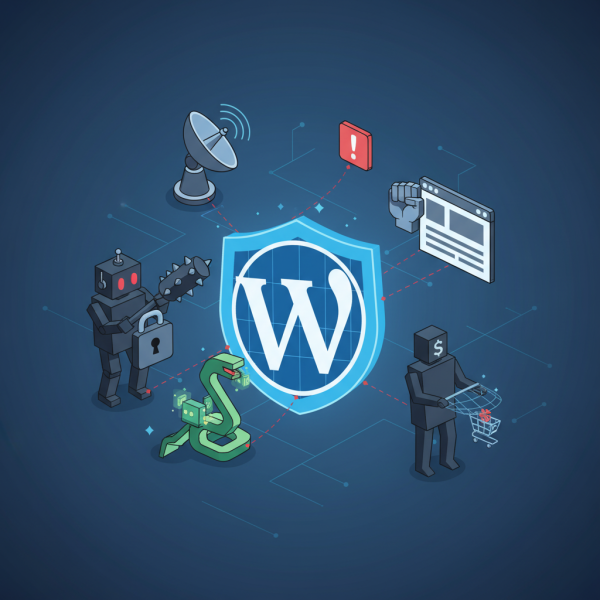
In the vast landscape of the internet, WordPress stands as a dominant force, powering a significant portion of all websites. Its flexibility, extensive plugin ecosystem, and open-source nature make it a go-to platform for developers worldwide. However, this popularity also makes it a prime target for malicious actors. As Open Source Web Software Developers, understanding and implementing robust security measures is not just an advantage; it is an absolute necessity to protect your projects and clients from devastating attacks.
WordPress sites, regardless of their size, face a constant barrage of threats ranging from brute-force login attempts and cross-site scripting to SQL injection and malware infections. Many compromises stem from easily preventable vulnerabilities such as outdated software, weak administrator credentials, or improperly configured server settings. A single security breach can lead to data loss, reputational damage, SEO penalties, and significant recovery costs, all of which can severely impact your development work and client trust.
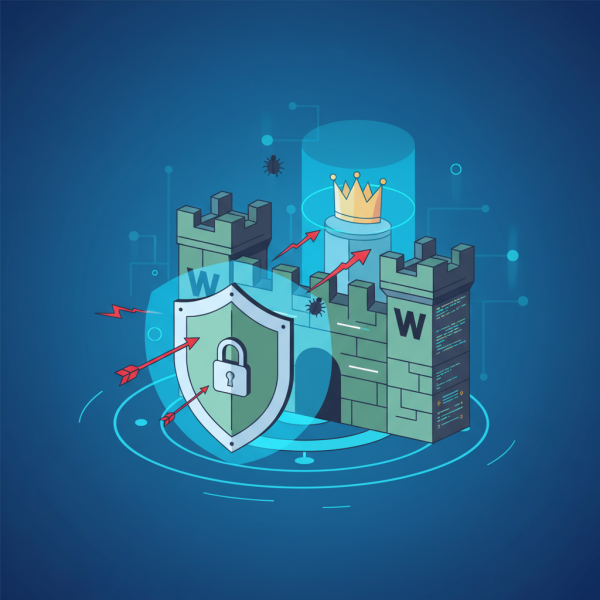
This course dives deep into the essential layers of defense required to safeguard your WordPress installations. We will explore the critical role of two-factor authentication (2FA) in preventing unauthorized access, even if passwords are compromised. Furthermore, we will emphasize the indispensable practice of maintaining timely updates for WordPress core, themes, and plugins, closing known security holes before they can be exploited. Crucially, we will also cover the implementation and configuration of powerful web application firewalls (WAFs) to filter malicious traffic and protect your site at the perimeter.
For open-source developers, actively engaging with security best practices means building more resilient websites, fostering greater trust with users, and minimizing the potential for costly incidents. It involves understanding the underlying mechanisms of common attacks and proactively deploying countermeasures. Empowering yourself with this knowledge ensures you can confidently build, deploy, and maintain secure WordPress solutions that stand strong against the ever-evolving threat landscape.
We invite you to join us in this comprehensive course, where you will gain the practical skills and in-depth knowledge necessary to significantly enhance the security posture of any WordPress site you manage or develop. Protect your digital assets and become a trusted authority in WordPress security.
Course Contents (11 lessons)
- 1.
 This article dissects the WordPress cyber threat landscape, outlining common attack vectors like vulnerable plugins and diverse motivations from financial gain to hacktivism.
 - 2.
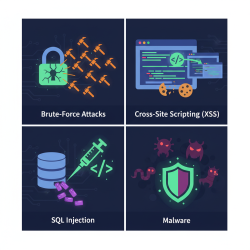 Explore prevalent cybersecurity attack vectors including brute-force, SQL injection, XSS, and various malware types, along with their mechanics and essential mitigation strategies for robust digital defense.
 - 3.
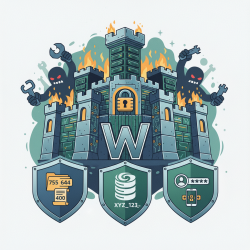 This article details essential WordPress hardening techniques, covering file permissions, database prefixes, and user settings to dramatically improve website security.
 - 4.
 Implementing and enforcing two-factor authentication (2FA) for all user roles is critical for preventing unauthorized access and bolstering an organization's digital defense.
 - 5.
 Timely updates for WordPress core, themes, and plugins are critical for website security, performance, and stability, protecting against evolving digital threats.
 - 6.
 To filter malicious traffic, selecting, installing, and configuring a Web Application Firewall is crucial for robust web application security.
 - 7.
 Securing your WordPress database is essential, demanding a strategy of frequent, verified backups, strong unique credentials, and consistent hardening practices against vulnerabilities.
 - 8.
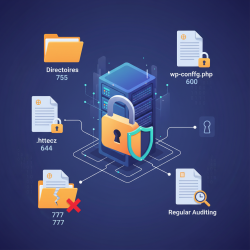 Ensuring proper file system permissions and rigorously securing critical configuration files like wp-config.php and .htaccess is paramount for website security, preventing unauthorized access and maintaining data integrity.
 - 9.
 Real-time monitoring and logging tools are crucial for cybersecurity, enabling proactive detection of suspicious activities and security events via comprehensive data analysis.
 - 10.
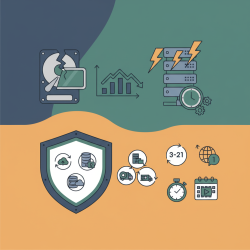 Proactive backup and recovery strategies are critical for business continuity, minimizing costly downtime and data loss by encompassing diverse backup types, secure storage, and rigorous testing.
 - 11.
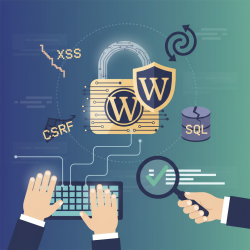 Integrating secure coding practices into WordPress theme and plugin development is paramount, covering input validation, output escaping, nonces, and robust database security.