Elicitation, Analysis, and Documentation
- -->> 2. Elicitation, Analysis, and Documentation
What you'll learn
 Requirements ElicitationRequirements AnalysisRequirements DocumentationNon-Functional Requirements
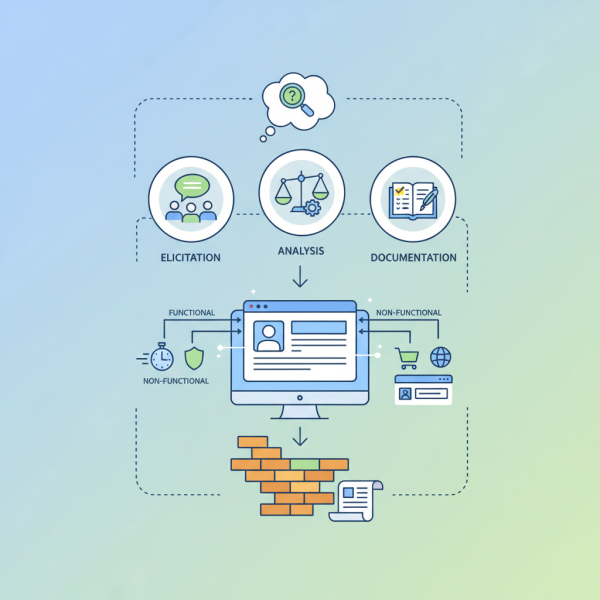
The foundation of any successful website lies not in its dazzling design or complex features alone, but in a crystal-clear understanding of its purpose, its users, and its operational constraints. Effectively eliciting, meticulously analyzing, and comprehensively documenting both functional and non-functional requirements are paramount steps that dictate the entire development trajectory. Neglecting these initial stages can lead to scope creep, budget overruns, unmet user expectations, and ultimately, a failed project. This article delves into master techniques to ensure your website project is built on a solid, well-defined foundation from the very beginning.
Understanding the Nuances of Requirements
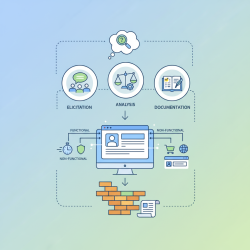
Before diving into techniques, it's crucial to distinguish between the two main categories of requirements: functional and non-functional. Functional requirements define what the system must do. They describe specific behaviors, functions, or features of the website, often directly related to user interactions.
Examples of functional requirements include: user registration and login, searching for products, adding items to a shopping cart, processing payments, or submitting a contact form. These are typically explicit and visible to the end-user.
Non-functional requirements (NFRs), on the other hand, specify how well the system performs its functions. They describe quality attributes and constraints rather than specific behaviors. NFRs are often more challenging to define but are critical for user satisfaction, system stability, and overall success.
Examples of non-functional requirements include: website loading speed, security protocols, scalability to handle peak traffic, usability for diverse audiences, or compatibility across different browsers. These attributes significantly impact the user experience and the system's operational viability.
Masterful Elicitation Techniques
Eliciting requirements is an art that involves drawing out explicit and implicit needs from various stakeholders. A blend of techniques ensures comprehensive coverage and reduces the chances of critical omissions.
- Stakeholder Interviews: One-on-one conversations allow for deep dives into individual perspectives, unearthing specific needs and concerns. Prepare structured questions but allow for open-ended discussions to uncover latent requirements.
- Workshops and Brainstorming Sessions: Group settings foster collaboration and rapid idea generation. Facilitated workshops can bring together diverse stakeholders to define scope, identify features, and resolve initial conflicts collectively.
- Surveys and Questionnaires: When dealing with a large and geographically dispersed user base, surveys are invaluable for gathering quantitative data and identifying common pain points or desired features.
- Prototyping and Wireframing: Creating visual representations of the website allows stakeholders to see and interact with potential designs early on. This iterative approach helps refine requirements by providing tangible feedback and reducing ambiguity before significant development effort.
- User Stories: Particularly effective in agile methodologies, user stories articulate requirements from an end-user perspective, focusing on value. They typically follow the format: "As a [type of user], I want [some goal] so that [some reason]."
- Observation: Observing users interacting with existing systems or performing tasks manually can reveal bottlenecks, inefficiencies, and undocumented needs that users might not articulate directly.
Thorough Analysis and Prioritization
Once requirements are elicited, they must be meticulously analyzed, refined, and prioritized. Raw requirements often contain ambiguities, conflicts, or are simply not feasible within project constraints.
The analysis phase involves clarifying each requirement, ensuring it is unambiguous, testable, and consistent with other requirements. Identify any dependencies between requirements and assess their impact. This is also the time to challenge assumptions and ensure alignment with strategic business goals.
Prioritization is critical for managing scope and ensuring that the most valuable features are developed first. Common prioritization techniques include the MoSCoW method (Must-have, Should-have, Could-have, Won't-have) or ranking based on business value versus implementation effort. This ensures resources are allocated effectively and high-impact features are delivered early.
Robust Documentation Best Practices
Comprehensive documentation serves as the single source of truth for the project, guiding design, development, and testing efforts. It minimizes misinterpretations and provides a reference point throughout the website's lifecycle.
- Clarity and Conciseness: Use clear, unambiguous language. Avoid jargon where possible or define it explicitly. Each requirement should be stated precisely, leaving no room for subjective interpretation.
- Structured Format: Organize requirements logically, often using a Requirements Specification Document (RSD) or a Business Requirements Document (BRD). These documents typically include sections for scope, functional requirements, non-functional requirements, and use cases.
- Requirements Traceability Matrix (RTM): An RTM is a crucial tool that links requirements to design elements, test cases, and even business objectives. This ensures that every requirement is addressed in the solution and validated during testing, providing end-to-end visibility.
- Version Control: Requirements are rarely static. Implement robust version control to track changes, maintain historical records, and communicate updates effectively to all stakeholders.
- Visual Aids: Supplement textual descriptions with visual aids like wireframes, flowcharts, data models, and use case diagrams to enhance understanding and reduce ambiguity.
Comprehension questions
 What is the primary distinction between functional and non-functional requirements, and provide two examples for each?List and briefly describe three masterful elicitation techniques discussed in the article.Why is prioritization of requirements critical, and what is one common method mentioned for doing so?According to the article, what are two best practices for robust documentation, and what is the purpose of a Requirements Traceability Matrix?
Review Quiz
Next Lesson
Course Contents : Website Project Planning
- >> 2.
 Elicitation, Analysis, and Documentation