Crafting Effective Meta Descriptions
- -->> 5. Crafting Effective Meta Descriptions
What you'll learn
 Understanding Meta DescriptionsElements of Compelling CopyStrategic Keyword IntegrationMeta Description Optimization
While numerous factors influence a user's decision to click on a link, the meta description plays a surprisingly crucial role. Far from being a mere technical detail, an effective meta description acts as your digital storefront's window display, a concise advertisement designed to capture attention and convey value. Learning to write these short, descriptive snippets isn't just about ticking an SEO box; it's about directly influencing your click-through rate (CTR) and driving more qualified traffic to your website. This article will guide you through the principles and practices of crafting meta descriptions that not only inform but also compel users to explore your content further.
What are Meta Descriptions?
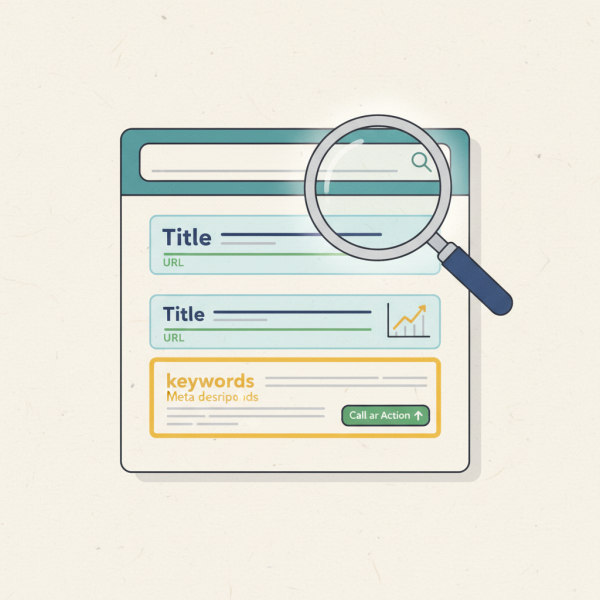
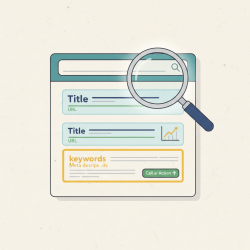
A meta description is an HTML attribute that provides a brief summary of a web page. When your page appears in search results, this description is often displayed directly below the page title and URL. Its purpose is to give searchers a clear, succinct idea of what they will find if they click on your link. Think of it as your elevator pitch for each page, a chance to sell your content in typically 150-160 characters. While Google sometimes generates its own description if it deems your provided one less relevant to the user's query, supplying a well-written meta description significantly increases the likelihood that your preferred summary will be displayed.
Why Meta Descriptions Matter
While meta descriptions are not a direct ranking factor for search engines, their impact on your website's performance is undeniable and indirect. A highly relevant and engaging meta description can drastically improve your click-through rate (CTR). A higher CTR signals to search engines that your content is more relevant and valuable for a particular query, which can, in turn, positively influence your search rankings over time. In essence, a good meta description acts as a bridge between a search query and a user's decision to engage with your content. It's your opportunity to convince them that your page holds the answer or solution they are looking for, ultimately leading to more visitors and potentially more conversions.
Key Elements of an Effective Meta Description
Crafting a meta description that resonates with users requires careful consideration of several core components:
- Conciseness: Adhere to character limits (typically 150-160 characters on desktop, fewer on mobile) to ensure your full message is displayed. Go beyond this, and your message will be truncated.
- Relevance: The description must accurately reflect the content of the linked page. Misleading descriptions lead to high bounce rates, signaling a poor user experience.
- Compelling Call to Action (CTA): Encourage clicks with action-oriented phrases such as "Learn more," "Discover," "Get your guide," or "Shop now."
- Keyword Inclusion: Integrate your primary keywords naturally. When a user's search query matches words in your meta description, Google often bolds those words, making your snippet stand out.
- Uniqueness: Every page on your website should have a unique meta description. Duplicate descriptions dilute their effectiveness and can confuse search engines and users alike.
Crafting Compelling Copy
Beyond the technical elements, the art of writing lies in creating copy that genuinely appeals to your target audience. Focus on the benefits your page offers rather than just listing its contents. Users are looking for solutions, information, or entertainment; highlight what they will gain from clicking your link. Use strong, active voice and impactful verbs. Consider creating a sense of urgency or curiosity. For instance, instead of "Article about SEO tips," try "Unlock advanced SEO strategies to boost your organic traffic today." Understand the search intent behind the keywords your page targets and tailor your description to directly address that need or question. Maintain a consistent brand voice, whether it's informative, playful, or authoritative, to build trust and familiarity with your audience.
Incorporating Keywords Strategically
While keyword stuffing is a detrimental practice, strategically placing relevant keywords within your meta description is highly beneficial. Your primary keyword should ideally appear early in the description to immediately signal relevance to both search engines and users. This helps Google understand the page's core topic and also catches the eye of searchers scanning results for their query terms. However, ensure the keyword integration feels natural and contributes to the overall readability of the description. Avoid repeating the same keyword multiple times in an unnatural way, as this can make your description appear spammy and deter clicks. Also consider including secondary or long-tail keywords if they fit seamlessly, as Google may bold these as well, increasing visibility.
Common Pitfalls to Avoid
Even with the best intentions, it's easy to make mistakes that undermine the effectiveness of your meta descriptions. Be mindful of these common errors:
- Being too generic: Descriptions like "Homepage" or "A page about our services" offer no value.
- Keyword stuffing: Overloading your description with keywords makes it unreadable and can be penalized.
- Too long or too short: Descriptions that are too long get truncated, while those too short miss an opportunity to engage.
- Duplicating descriptions: Using the same description across multiple pages is a missed opportunity for unique targeting and relevance.
- No clear call to action: Without a prompt, users might not know what action to take next.
- Inaccurate summaries: Misleading users about page content will lead to high bounce rates and diminish trust.
Testing and Optimization
Crafting effective meta descriptions is not a one-time task; it's an ongoing process of testing and refinement. Leverage tools like Google Search Console to monitor the click-through rates of your pages. If a page has a low CTR despite a good ranking, its meta description might be a prime candidate for optimization. Consider A/B testing different versions of your meta descriptions to see which ones perform best. Experiment with different CTAs, benefit-oriented language, or keyword placements. Remember that Google sometimes dynamically generates meta descriptions based on the search query if it finds a more relevant snippet on your page. Therefore, continuously monitoring and adapting your strategy based on performance data and Google's behavior is crucial for sustained success.
Summary
Effective meta descriptions are a powerful, albeit indirect, tool for improving your website's visibility and user engagement on search engine results pages. By understanding their role as a compelling advertisement for your content, you can significantly boost your click-through rates. Key to their success is conciseness, relevance, a strong call to action, and strategic keyword inclusion, all while avoiding common pitfalls like keyword stuffing or generic phrasing. Remember that the process is iterative; continuous testing, monitoring, and optimization based on performance data are essential to ensure your meta descriptions consistently drive valuable traffic to your site.
Comprehension questions
 What is the primary goal of an effective meta description, despite not being a direct ranking factor?What are the key characteristics that every effective meta description should possess?Why is keyword placement important in a meta description, and what should be avoided?How can website owners measure the effectiveness of their meta descriptions and what tools might they use?
Community Poll
Next Lesson

Course Contents : Mastering WordPress SEO for Developers
- >> 5.
 Crafting Effective Meta Descriptions