WordPress Posts vs. Pages for Developers
Course Details
WordPress stands as a cornerstone in open-source web development, celebrated for its flexibility and power in content management. For developers diving deep into its architecture, a fundamental understanding of its core content types is paramount. While seemingly simple, the distinction between WordPress Posts and Pages forms the backbone of effective site structure and content strategy, often leading to confusion for those new to the platform or migrating from other systems.
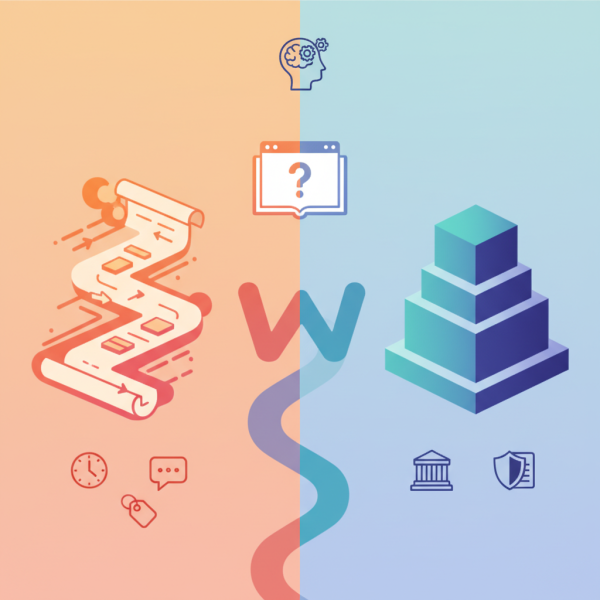
WordPress Posts are inherently dynamic and chronological, designed to display time-sensitive content like blog entries, news articles, or updates. They are the ideal choice when you need content that is regularly updated, categorized, and tagged for discoverability. Posts naturally flow into RSS feeds and are typically displayed in reverse chronological order on a blog archive page, encouraging reader engagement and discussion through comments. Their structure is built around delivering fresh, engaging content to your audience consistently.
Conversely, WordPress Pages are created for static, evergreen content that is not time-dependent and rarely changes. Think of your "About Us," "Contact," "Services," or "Privacy Policy" pages. Pages are hierarchical, allowing for parent-child relationships that help organize your site's main navigation and structure without the chronological constraints of posts. They do not typically have categories or tags, nor do they appear in RSS feeds, emphasizing their role as fixed informational pillars of your website.
For open source web developers, mastering this distinction is crucial for building robust, scalable, and user-friendly WordPress sites. Incorrectly using Posts for static content or Pages for blog entries can lead to a messy site structure, poor SEO performance, and a confusing user experience. A clear grasp empowers you to design intuitive navigation, implement effective content marketing strategies, and ensure your website's architecture supports its long-term goals.
We invite you to join this comprehensive course, where we will thoroughly explore the nuances of WordPress Posts and Pages, providing you with the knowledge and practical skills to confidently make the right choices for your web development projects and build exceptional digital experiences.
Course Contents (6 lessons)
- 1.
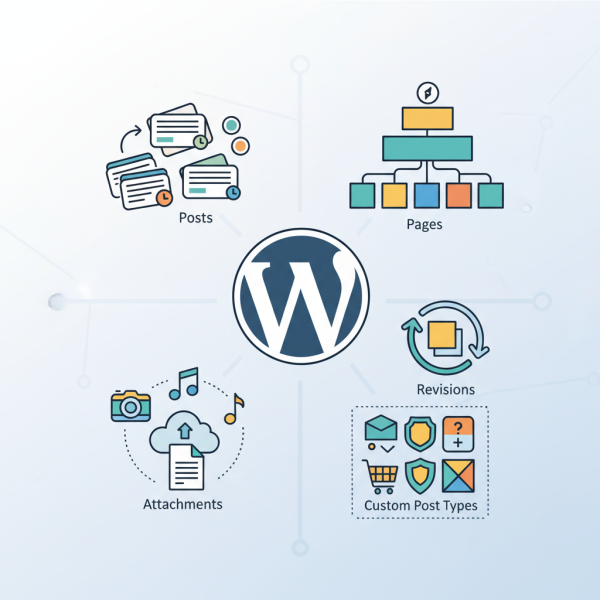
 Uncover WordPress's core content types—posts, pages, and attachments—and custom post types, understanding their specific purposes to build structured and dynamic websites.
 - 2.
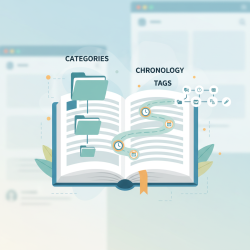 WordPress posts are defined by their chronological order and powerful organization via hierarchical categories for topics and non-hierarchical tags for specificity.
 - 3.
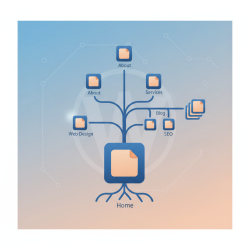 This article explores the static and hierarchical structure of WordPress Pages, differentiating them from posts and detailing their crucial role in building robust, intuitive site navigation.
 - 4.
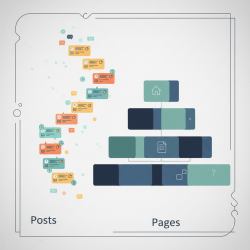 Understanding the core functional differences between Posts and Pages is crucial for effective content management and strategic website organization, impacting content delivery and user experience.
 - 5.
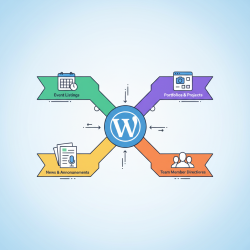 Discover effective strategies for leveraging WordPress Posts to manage dynamic content, exploring various practical use cases and best practices for site managers and developers alike.
 - 6.
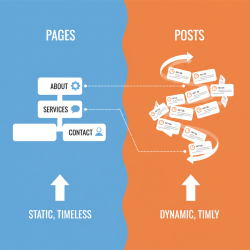 Strategic categorization between posts and pages is crucial for intuitive website navigation, search engine optimization, and an enhanced user experience, defining a site's structure and accessibility.