Architecture Impact of Posts vs Pages
- -->> 6. Architecture Impact of Posts vs Pages
What you'll learn
 Content OrganizationWebsite StructureUser ExperienceSEO Best Practices
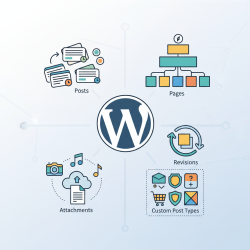
Foundational choices made during website development profoundly influence its long-term success. Among these critical decisions is the judicious selection between "posts" and "pages" – a distinction that, while seemingly minor, holds immense power over a website’s underlying architecture and, consequently, its ability to deliver an optimal user experience. This fundamental categorization isn't merely a technical formality; it's a strategic pillar that dictates how content is organized, how easily users can navigate, and how effectively search engines comprehend and rank the site's offerings. A well-orchestrated content strategy, rooted in a clear understanding of when and why to employ each type, transforms a chaotic collection of information into a cohesive, intuitive, and high-performing digital platform.
Understanding the Core Distinction: Posts vs. Pages
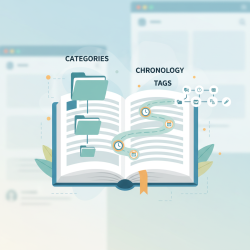
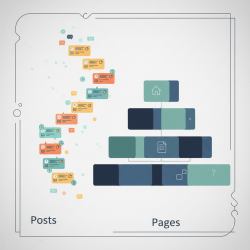
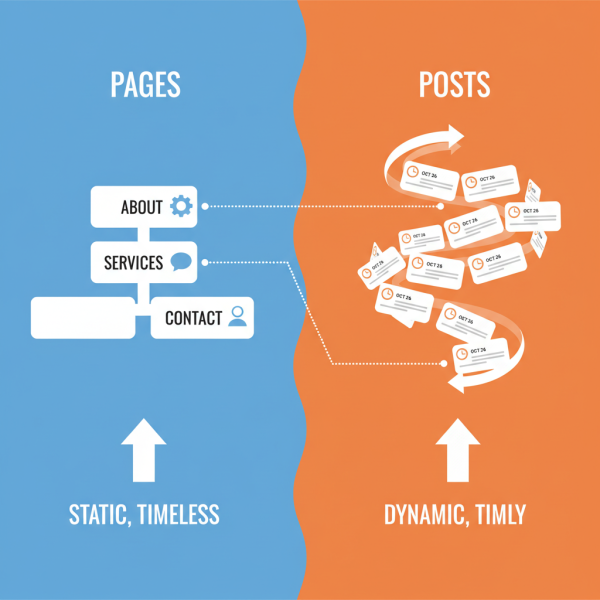
At its heart, the difference between a post and a page lies in their intrinsic nature and purpose. A post is inherently dynamic and time-sensitive. Typically associated with a blog or news section, posts are chronologically ordered, feature publication dates, and are often categorized, tagged, and designed for social sharing and reader comments. They are ideal for sharing updates, articles, tutorials, and timely insights, forming a constantly evolving stream of content that keeps an audience engaged and informed about current developments or niche topics.
Conversely, a page is static and timeless. Pages are designed for evergreen content that doesn't frequently change and isn't typically tied to a specific date. Examples include "About Us" sections, "Contact" forms, "Services" descriptions, or a homepage. Pages form the backbone of a website's primary navigation, providing essential, unchanging information about the organization, its mission, or its core offerings. They establish the stable structural elements of a site, providing clear entry points and foundational information.
Impact on Website Architecture
The strategic deployment of posts and pages directly shapes a website's architectural integrity. This distinction creates a logical information hierarchy, guiding both users and search engine crawlers through the site's content with greater efficiency and clarity.
Information Hierarchy
Pages typically establish the primary levels of your website's hierarchy, forming the main navigation menus. They serve as pillars, supporting broader topics or sections. Posts, on the other hand, populate these sections, providing detailed, often narrower content that falls under specific categories or tags. This clear separation ensures that vital, static information remains easily accessible, while dynamic content can be explored within its designated, evolving context.
Navigational Clarity
A properly structured website prevents user frustration by offering predictable navigation. When users encounter a main menu item like "Services," they expect to find comprehensive, static information on that page. Similarly, when they click "Blog," they anticipate a stream of articles presented chronologically. Confusing these roles can lead to a disjointed user experience, making it difficult for visitors to find what they're looking for and potentially causing them to abandon the site.
Scalability
A well-defined architecture built on the distinction between posts and pages is inherently more scalable. As a website grows, adding new services, products, or expanding a blog becomes a systematic process. New pages seamlessly integrate into the main navigation, while new posts easily fit into existing categories and tagging structures without disrupting the overall site framework. This scalability is crucial for long-term growth and content management efficiency.
Enhancing User Experience (UX)
The ultimate goal of any website is to serve its users effectively, and proper post and page selection is a cornerstone of a positive user experience.
- Predictability and Intuition: Users unconsciously expect certain types of content to reside in specific structural contexts. Static information belongs on pages, while timely articles are found in blog posts. Adhering to these conventions makes a site feel intuitive and professional.
- Efficient Information Retrieval: When content is logically organized, visitors can quickly pinpoint the information they need, whether it's a company's mission statement or the latest industry news. This reduces cognitive load and improves satisfaction.
- Improved Engagement and Dwell Time: A well-structured site encourages users to explore further. Clear pathways between related content (e.g., a service page linking to relevant blog posts) keep users engaged and increase their dwell time, signaling value to search engines.
- Reduced Bounce Rate: Frustration from poor navigation or illogical content placement often leads to users quickly leaving a site. Proper post and page differentiation helps keep bounce rates low by providing a coherent and satisfying browsing experience.
SEO Implications of Proper Selection
Beyond user experience, the strategic use of posts and pages has profound implications for search engine optimization (SEO), directly affecting a website's visibility and organic traffic.
- Keyword Targeting and Authority: Pages are ideal for targeting broad, evergreen keywords central to your business, helping to build long-term topical authority. Posts allow for targeting long-tail keywords, timely topics, and demonstrating expertise within specific niches, often driving new traffic and feeding authority back to core pages through internal linking.
- Crawlability and Indexing: Search engine crawlers interpret website architecture to understand content hierarchy. A clear distinction between static pages and dynamic posts helps crawlers efficiently discover, index, and categorize content, ensuring that all valuable information is visible to search engines.
- Internal Linking Strategy: Pages can effectively link to relevant posts to provide deeper insights, while posts can link back to foundational pages to reinforce topical authority and guide users to core services or information. This robust internal linking strategy distributes "link juice" and enhances overall site authority.
- Content Freshness and Relevance: Regular publication of blog posts keeps a website fresh and active, signaling to search engines that the site is current and providing new value. While pages are static, posts provide the dynamic element search engines often favor for ranking signals related to content freshness.
Practical Guidelines for Selection
Making the right choice between a post and a page often boils down to asking a few key questions about the content:
When to use a Page:
- Is the content timeless and unlikely to change significantly?
- Does it represent a core offering or foundational information about your business?
- Is it intended to be part of the main navigation menu?
- Examples: Home, About Us, Services, Products, Contact, Privacy Policy, Portfolio, Pricing.
When to use a Post:
- Is the content time-sensitive or date-specific?
- Is it part of a series or regularly updated content stream?
- Is it intended to generate discussion or social sharing?
- Does it fall into a specific category or tag?
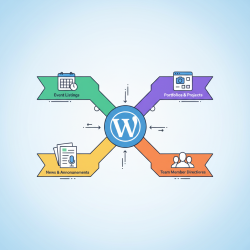
- Examples: Blog articles, News updates, Tutorials, Case studies, Industry analysis, Event announcements.
Consider the content's permanence and its intended role within the site's overall narrative. If it's foundational, it's likely a page. If it's an ongoing conversation or update, it's almost certainly a post.
Common Mistakes to Avoid
Despite the clear distinctions, several common errors can undermine a website's structure and performance:
One prevalent mistake is using blog posts for static, core information that should reside on a page, leading to crucial content getting lost in chronological archives. Conversely, trying to force dynamic, time-sensitive updates onto static pages can make a site feel outdated or lead to cumbersome manual updates. A lack of proper categorization or tagging for posts also cripples discoverability, turning a blog into an undifferentiated stream rather than a curated resource. Failing to establish clear internal linking between related posts and pages misses a significant opportunity for both SEO and user navigation, hindering the flow of authority and user journey.
Summary
The seemingly simple choice between a post and a page is, in reality, a profoundly strategic decision that dictates the efficacy of a website's architecture and its ability to deliver an outstanding user experience. By understanding the inherent characteristics of each – pages for static, foundational content and posts for dynamic, time-sensitive information – website creators can establish a logical information hierarchy, enhance navigational clarity, and ensure scalability. This strategic categorization directly impacts user predictability and engagement, while simultaneously bolstering SEO through improved crawlability, targeted keyword opportunities, and a robust internal linking structure. Ultimately, a thoughtful and consistent application of these distinctions is indispensable for building a high-performing, user-friendly, and search engine-optimized digital presence.
Comprehension questions
 How does the proper selection between posts and pages contribute to a website's information hierarchy and navigational clarity?List two key ways that distinguishing between posts and pages can enhance a website's user experience (UX).Explain at least two significant SEO implications that arise from the strategic use of posts versus pages.
Review Quiz
Next Lesson
Course Contents : WordPress Posts vs. Pages for Developers
- >> 6.
 Architecture Impact of Posts vs Pages