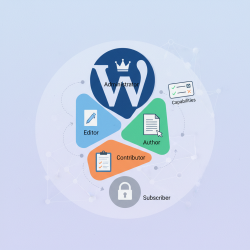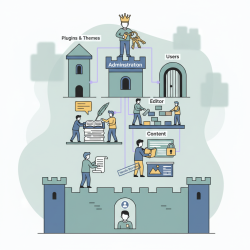
Role of an Editor: Content, Publications, and Moderation
- -->> 4. Role of an Editor: Content, Publications, and Moderation
What you'll learn
 Content ManagementPublication OversightModeration TasksEssential Editorial Skills
The editor role is a cornerstone of effective communication, serving as a critical guardian of quality, accuracy, and coherence across various mediums. Far beyond simple proofreading, editors manage a complex ecosystem of content, overseeing its creation, refinement, and dissemination. Their responsibilities span a wide spectrum, encompassing everything from strategic content planning and intricate publication workflows to the crucial task of moderating user interactions and ensuring brand integrity. This pivotal position demands a unique blend of linguistic mastery, organizational prowess, and keen judgment, adapting constantly to the evolving landscapes of traditional and digital publishing. Understanding the depth and breadth of an editor's work reveals the intricate processes required to bring polished, impactful material to an audience.
The Evolving Landscape of Editorial Work
Historically, the editor was primarily associated with print publications, meticulously reviewing manuscripts and preparing them for the press. While those core functions remain, the advent of digital media has dramatically expanded the editor's domain. Today's editors often navigate multimedia content, social media platforms, and dynamic online communities. This evolution necessitates a broader skill set, including familiarity with SEO, analytics, content management systems, and a proactive approach to engaging with diverse audiences. The speed of digital publishing also means editors must often make swift decisions while maintaining high standards.
Core Responsibilities: Content Management
Managing content is perhaps the most visible aspect of an editor's job, ensuring that all material meets strategic objectives and quality benchmarks.
- Content Strategy: Editors often contribute significantly to defining the overall content strategy, identifying target audiences, key themes, and desired tone. They plan content calendars, commission articles, and guide contributors to align with the publication's vision.
- Content Creation Oversight: This involves working closely with writers, designers, photographers, and other creators. Editors provide clear briefs, offer constructive feedback, and ensure that content is developed according to specifications, deadlines, and quality expectations.
- Editing and Proofreading: The traditional core of editorial work, this involves refining language for clarity, conciseness, grammar, spelling, and punctuation. Editors ensure the text flows logically, is engaging, and is free from errors that could undermine credibility.
- Fact-Checking and Accuracy: A crucial ethical responsibility, editors verify the factual accuracy of all claims, statistics, and reported information. This diligence prevents misinformation and upholds the publication's reputation for reliability.
These tasks collectively ensure that the content is not only well-written but also purposeful, accurate, and aligned with the publication's goals.
Core Responsibilities: Publication Management
Beyond the content itself, editors are instrumental in managing the entire publication process, from initial concept to final delivery.
- Scheduling and Deadlines: Editors are master organizers, establishing and enforcing strict schedules for content submission, editing, design, and publication. They coordinate various teams to ensure timely delivery of projects.
- Layout and Design Coordination: Working alongside graphic designers, editors ensure that the visual presentation of content complements the text and enhances readability. They approve layouts, image choices, and overall aesthetic to maintain brand consistency.
- Distribution Channels: In the digital age, editors often oversee or coordinate the distribution of content across multiple platforms, including websites, social media, email newsletters, and print. They consider how content will perform on each channel.
- Legal and Ethical Compliance: Editors are responsible for ensuring all published material adheres to legal standards regarding copyright, defamation, privacy, and intellectual property. They also uphold ethical journalistic practices and maintain editorial independence.
Effective publication management ensures that content reaches its intended audience in the most professional and compliant manner.
Core Responsibilities: Moderation Tasks
With the rise of interactive digital platforms, moderation has become a critical, though often challenging, aspect of the editor's role. This involves managing user-generated content and fostering a positive online environment.
- User-Generated Content Review: Editors review comments, forum posts, and other submissions from the audience to ensure they meet community guidelines. This prevents the spread of hate speech, spam, misinformation, and inappropriate content.
- Community Guidelines Enforcement: They actively enforce established rules of engagement, issuing warnings or taking corrective action against users who violate policies. This protects the integrity of the discussion space.
- Conflict Resolution: Editors often act as arbiters in online disputes, mediating conversations and ensuring that disagreements remain constructive rather than devolving into personal attacks. Their goal is to maintain a respectful dialogue.
- Maintaining Brand Voice and Safety: Moderation is vital for protecting the brand's reputation and ensuring that the online community reflects the publication's values. It creates a safe space for users and contributors alike.
Moderation tasks are essential for cultivating an engaged, respectful, and safe community around a publication's content.
Essential Skills for Editors
The multifaceted nature of the editor role demands a robust set of skills.
- Attention to Detail: Meticulousness is paramount for catching errors, inconsistencies, and ensuring factual accuracy.
- Communication: Excellent written and verbal communication skills are crucial for providing clear feedback, managing teams, and interacting with stakeholders.
- Critical Thinking: Editors must analyze content objectively, identify weaknesses, and propose effective solutions, often under pressure.
- Technological Proficiency: Familiarity with CMS, editing software, analytics tools, and social media platforms is increasingly non-negotiable.
- Leadership: Many editors lead teams of writers and designers, requiring strong leadership and motivational abilities.
These competencies enable editors to navigate the complexities of their role successfully.
The Impact of a Skilled Editor
A skilled editor elevates raw information into polished, compelling narratives. They build trust with audiences through consistent quality and accuracy. By streamlining workflows and ensuring compliance, editors safeguard the reputation and operational efficiency of a publication. Their ability to foster healthy online communities also contributes significantly to audience loyalty and engagement. Ultimately, the editor is an invisible hand guiding content toward its fullest potential, making complex ideas accessible and ensuring messages resonate effectively.
Conclusion
In summation, the editor role is a dynamic and indispensable function that has evolved significantly with the digital age. It encompasses comprehensive content management, meticulous publication oversight, and crucial moderation tasks designed to foster engaging and safe online environments. Editors are the custodians of quality, clarity, and credibility, wielding a diverse array of skills to ensure that information is not only accurate and well-presented but also effectively communicated and ethically handled. Their profound impact underpins the success and trustworthiness of any publication, whether in print or across digital platforms.
Comprehension questions
 What are the three main categories of responsibilities covered by the editor role?Name at least three specific tasks an editor performs under content management.How does an editor contribute to maintaining ethical and legal compliance in publications?Why is moderation an increasingly vital aspect of the editor's job in digital environments?
Community Poll
Next Lesson

Course Contents : WordPress User Roles and Permission
- >> 4.
 Role of an Editor: Content, Publications, and Moderation