Foundations of Secure Permission Management
- -->> 6. Foundations of Secure Permission Management
What you'll learn
 Capability DefinitionRole-Based AccessLeast Privilege PrincipleSystem Implementation
The concept of capabilities provides a fundamental and highly secure system through which various roles within an organization or system are granted specific rights. Moving beyond traditional access control lists, capability-based systems offer a more granular, object-centric approach, empowering robust security architectures. This article will delve into the core concepts of capabilities, exploring their nature, their relationship with roles and permissions, and their significant implications for system security and operational integrity.
Understanding Capabilities
At its heart, a capability is not merely a permission; it is an unforgeable token or reference that grants specific access rights to an object or resource. Unlike Access Control Lists (ACLs), where permissions are associated directly with the resource itself (e.g., "File X can be read by User A"), a capability is held by the entity that wishes to perform an action. It encapsulates both the right to perform an action (like read or write) and the specific resource to which that right applies.
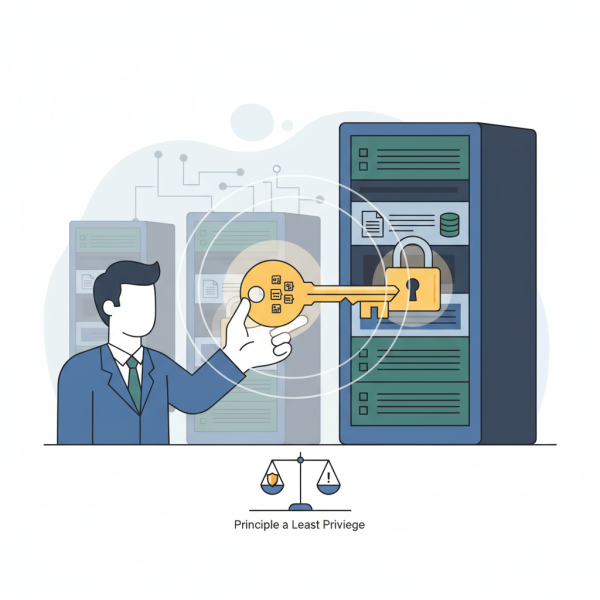
Consider a key to a door. The key is a capability. The door (resource) doesn't have a list of who can open it; rather, the person (subject) possesses the key (capability) that grants them the right to open that specific door. This unforgeable nature is critical: capabilities cannot be created or modified by an unauthorized entity, making them exceptionally secure and resistant to common attack vectors.
Roles, Permissions, and Capabilities
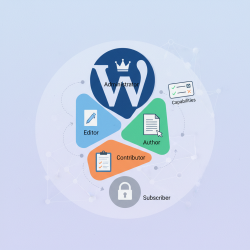
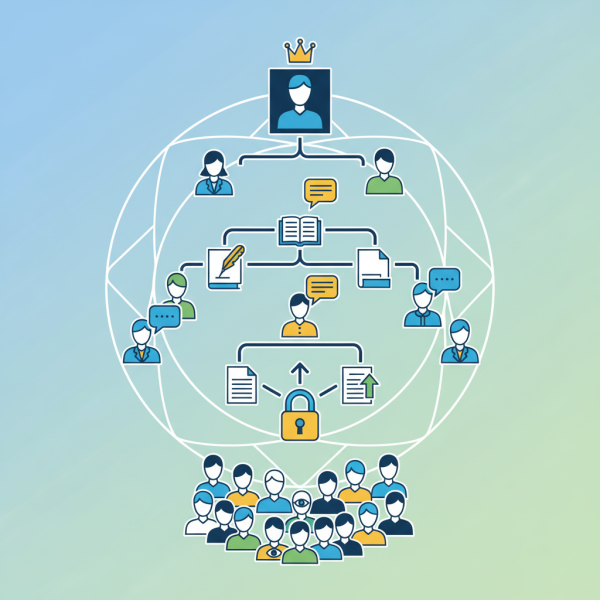
To fully grasp capabilities, it's essential to distinguish between roles and permissions. Permissions are the atomic actions an entity can perform (e.g., "read data," "create user," "delete file"). Roles, on the other hand, are collections of these permissions grouped logically, often reflecting job functions within a system (e.g., "Administrator," "Editor," "Guest"). A user is then assigned one or more roles.
Capabilities integrate into this model by providing the mechanism through which roles exercise their rights. Instead of a role directly "having" a permission, a user assuming that role is granted specific capabilities. For instance, an "Editor" role might be granted a "write capability for article X" and a "read capability for all published articles." This approach allows for very precise control, where the actual access token (the capability) is passed to the entity only when needed, and its scope is strictly defined.
The dynamic nature of capabilities is another significant advantage. They can be securely passed from one entity to another, or revoked, enabling flexible and responsive access control mechanisms without requiring complex system-wide reconfigurations often associated with traditional ACL changes.
The Principle of Least Privilege (PoLP)
The Principle of Least Privilege is a cornerstone of robust security, dictating that users, programs, or processes should only be given the minimum necessary permissions to perform their authorized functions. Any excess privilege presents an unnecessary security risk.
Capabilities inherently and strongly support PoLP. Because a capability grants access to just what is needed—a specific action on a specific resource—it naturally limits the potential scope of damage if an entity is compromised. For example, if a process only has a capability to write to a single log file, even if compromised, it cannot write to other critical system files. This precise definition and limitation of actions significantly reduce the attack surface and contain potential breaches.
Benefits of adhering to PoLP via capabilities include:
- Minimizing the impact of security breaches by restricting an attacker's reach.
- Reducing the likelihood of accidental misuse or errors by legitimate users or processes.
- Improving system stability by preventing unauthorized or unintended operations.
Architecting Capability-Based Systems
Designing and implementing a capability-based system requires careful consideration of several key architectural aspects. The effectiveness of such a system hinges on how well these elements are managed:
- Granularity: Determining the appropriate level of specificity for capabilities is crucial. Should a capability grant "read access to all documents" or "read access to document ID 123"? More granular capabilities offer greater security but can increase management complexity.
- Distribution and Management: Securely distributing capabilities to authorized entities and managing their lifecycle (creation, transfer, revocation) in a potentially distributed system is a significant challenge. Mechanisms must prevent forgery, duplication, or unauthorized transfer.
- Revocation: A robust system must have efficient mechanisms for revoking capabilities, especially if an entity's role changes, a resource is no longer accessible, or a security incident occurs. This can be complex in systems where capabilities have been widely distributed.
Common patterns in implementing capability systems often involve cryptographic techniques to ensure unforgeability and integrity, or the use of trusted intermediaries to mediate access and manage capability issuance and revocation.
Advantages of Capability Systems
The benefits of adopting a capability-based security model are substantial, offering significant improvements over traditional access control methods:
- Enhanced Security: By directly granting unforgeable access tokens, capability systems are less susceptible to certain types of attacks, such as confused deputy attacks, where a privileged program is tricked into performing an unauthorized action on behalf of a less privileged user.
- Improved Modularity and Isolation: Components interact only via the capabilities they possess, promoting a strong sense of isolation and modularity within the system. This makes reasoning about system behavior and security much simpler.
- Simplified Reasoning: It's easier to determine what a program or user can and cannot do by inspecting the capabilities they hold, rather than traversing complex ACLs or policy rules spread across various resources.
- Dynamic Access Control: Capabilities can be granted and revoked on the fly with relative ease, providing a highly flexible and responsive access control mechanism without requiring extensive system downtime or reconfiguration.
- Scalability: When designed correctly, capability systems can scale efficiently, especially in distributed environments, as access decisions are often localized to the capability itself rather than requiring centralized lookups.
Summary
Capabilities represent a powerful and sophisticated approach to managing permissions and access control within digital systems. By defining access rights as unforgeable tokens linked directly to specific resources, they provide a granular and secure method for assigning permissions to various roles. This model inherently enforces the critical Principle of Least Privilege, significantly reducing attack surfaces and potential damage from security breaches. While their implementation requires careful architectural planning, the enhanced security, modularity, and dynamic control offered by capability-based systems make them a foundational element for building resilient and trustworthy digital environments.
Comprehension questions
 What is the primary difference between capability-based access control and traditional Access Control Lists (ACLs)?How do capabilities inherently support the Principle of Least Privilege (PoLP)?Name two key advantages of implementing a well-designed capability system.What are some challenges associated with architecting and implementing capability-based systems?
Community Poll
Next Lesson
Course Contents : WordPress User Roles and Permission
- >> 6.
 Foundations of Secure Permission Management