Exploring the Subscriber Role
- -->> 5. Exploring the Subscriber Role
What you'll learn
 Basic User AccessPersonal Profile ManagementUser Engagement FeaturesSecurity and Privacy Basics
The Subscriber Role is a foundational access level designed for users who wish to engage with a website's content and manage their personal presence without administrative responsibilities. It represents the most basic level of membership, often serving as the entry point for individuals interested in following updates, participating in discussions, and customizing their personal user experience. This role is crucial for fostering a sense of community and allowing visitors to transition into active members, providing them with essential tools to interact and maintain their personal information securely.
Understanding the Subscriber Role
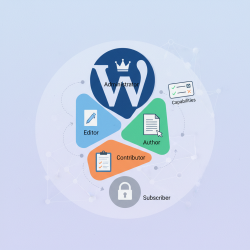
At its core, the Subscriber Role grants users privileges primarily focused on consumption and limited interaction. Unlike roles such as Editor, Author, or Administrator, subscribers typically do not have the ability to create, edit, or publish content directly to the site. Instead, their powers are confined to viewing published posts and pages, leaving comments where enabled, and, most importantly, managing their own personal user profile. This clear distinction ensures site integrity and prevents unauthorized modifications, while still offering a rich experience for the general user base.
This role is foundational in many content management systems and web applications. It serves as a gateway for individuals to personalize their engagement with the site. By registering as a subscriber, a user gains a persistent identity on the platform, allowing for tailored experiences such as receiving newsletters, tracking comment replies, or accessing specific member-only content that might be gated behind a login requirement. It balances accessibility with security, giving users what they need to participate without granting excessive permissions.
Core Features and Capabilities
Subscribers are empowered with a specific set of tools designed for personal interaction and information management. These capabilities are crucial for a personalized and secure online experience.
- Content Consumption: Subscribers can access and read all publicly available content, and sometimes exclusive content designated for registered users.
- Commenting: They can post comments on articles and engage in discussions, contributing to the site's community aspect.
- Personal Profile Management: This is a key area where subscribers have direct control. They can update their personal details.
- Email Notifications: Many platforms allow subscribers to manage their notification preferences, such as receiving updates on new posts or replies to their comments.
- Basic Account Security: Subscribers are responsible for their own login credentials, including changing their password and ensuring their account remains secure.
Managing Your Personal Profile
The ability to manage one’s personal profile is perhaps the most significant feature of the Subscriber Role. This allows users to control how they are represented on the platform and to keep their information up-to-date. Key aspects of profile management include:
- Username and Display Name: While the username is typically fixed after registration, subscribers can often choose a display name that appears publicly alongside their comments or contributions.
- Email Address: Users can update their associated email address, which is vital for account recovery, notifications, and communication.
- Password Changes: Regular password changes are a cornerstone of account security, and subscribers have direct access to tools for updating their login credentials.
- Avatar/Profile Picture: Personalizing a profile with an avatar or profile picture helps users express their identity and makes their contributions more recognizable within the community.
- Biographical Information: A short bio allows subscribers to share a brief description of themselves, which can foster connections with other members.
- Privacy Settings: Some platforms offer granular privacy controls, allowing subscribers to decide which parts of their profile are visible to other users or the general public.
Effective profile management ensures that a subscriber's online identity is accurate, current, and reflects their preferences. It puts the user in control of their personal data within the boundaries of the platform.
Security and Privacy Considerations
For subscribers, security and privacy are paramount. While administrators implement site-wide security measures, individual users also bear responsibility. Subscribers are encouraged to use strong, unique passwords and to enable two-factor authentication if available. Keeping an eye on account activity and promptly reporting any suspicious behavior are also vital. From a privacy perspective, understanding what personal information is collected, how it's used, and what is publicly displayed is essential. Most platforms provide privacy policies that subscribers should review to make informed decisions about their data.
Administrators play their part by providing secure infrastructure, robust data protection, and clear guidelines on data usage. However, the active participation of subscribers in securing their own accounts reinforces the overall security posture of the entire user community. Timely updates to personal contact information, especially email addresses, also ensure that critical security notifications can reach the user effectively.
Benefits for Users and Administrators
The Subscriber Role offers mutual benefits, creating a healthier and more engaging online environment.
For Users:
- Personalized Content Experience: Ability to save preferences, subscribe to specific topics, or track progress.
- Community Participation: An identity to leave comments, join forums, or participate in polls.
- Data Ownership: Control over their personal information and how it's displayed.
- Exclusive Access: Potential to view content or features not available to anonymous visitors.
For Administrators:
- Audience Segmentation: Ability to identify and communicate with registered users for targeted marketing or support.
- Content Personalization: Data from subscriber profiles can inform content strategies and recommendations.
- Community Building: Registered users form the core of a site's community, fostering engagement and loyalty.
- Data Collection: Ethical collection of user data (with consent) to understand audience demographics and preferences.
Limitations of the Subscriber Role
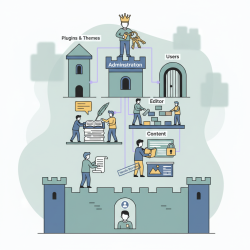
While beneficial, it is important to understand the inherent limitations of the Subscriber Role. Subscribers cannot perform actions that would affect the site's structure, content, or other users' accounts. This includes publishing posts or pages, editing existing content authored by others, managing plugins or themes, moderating comments (beyond their own), creating new user accounts, or modifying site settings. These restrictions are fundamental to maintaining the security and integrity of the website, ensuring that administrative tasks are handled by trusted personnel with higher-level permissions.
Summary
In conclusion, the Subscriber Role is a fundamental component of many online platforms, providing users with essential access for content consumption, community engagement, and most critically, comprehensive personal profile management. It acts as a bridge between casual visitors and active community members, offering a secure and personalized experience while maintaining a clear separation of responsibilities from higher administrative roles. This role is vital for both user autonomy and effective website administration, empowering individuals to manage their digital presence efficiently and securely within the established framework of the site.
Comprehension questions
 What are the primary functions of the Subscriber Role on a website?List three key aspects of personal profile management available to a subscriber.How does the Subscriber Role benefit both users and website administrators?What are some common limitations associated with the Subscriber Role?
Community Poll
Next Lesson

Course Contents : WordPress User Roles and Permission
- >> 5.
 Exploring the Subscriber Role