Comprehensive Control in the Administrator Role
- -->> 3. Comprehensive Control in the Administrator Role
What you'll learn
 Administrator PrivilegesComprehensive Site ControlSecurity and ComplianceSystem Maintenance and Strategy
The role of an administrator within any digital platform, system, or organization is fundamentally crucial and encompasses a vast array of responsibilities. Far beyond simple management, an administrator wields significant power and is entrusted with the full operational control and strategic oversight of the entire site or system. Understanding this pivotal position involves recognizing the depth of control, the critical decision-making processes, and the indispensable duties that ensure the stability, security, and efficiency of the digital environment. This article delves into the intricate details of the administrator role, highlighting their comprehensive control and site management responsibilities.
What Defines an Administrator?
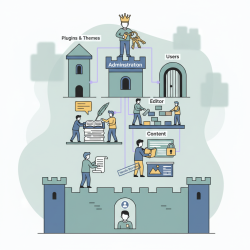
At its core, an administrator is a user with elevated privileges, granting them unrestricted access and modification rights across an entire system or application. This level of access is often termed "root" or "superuser" access, indicating the highest possible authority. Unlike standard users who operate within defined boundaries, administrators can bypass limitations, manage core settings, and influence the overall structure and functionality.
This role demands a unique blend of technical proficiency, problem-solving skills, and a deep understanding of the system's architecture and operational goals. They are the guardians of the system, responsible for its health, performance, and adherence to organizational policies.
Core Responsibilities of an Administrator
The daily and strategic tasks of an administrator are diverse and critical for smooth operations. Their duties span multiple domains, each requiring careful attention and expertise. These responsibilities are not merely reactive but also proactive, involving planning and preventative measures.
- System Configuration and Customization: Administrators are responsible for setting up and fine-tuning the system's core parameters. This includes configuring server settings, database connections, email integrations, and various system-wide preferences to align with organizational needs. They customize the user experience, define default settings, and ensure all components work cohesively.
- User Account Management: A primary responsibility is the creation, modification, and deletion of user accounts. This involves assigning appropriate roles and permissions, resetting passwords, and ensuring that each user has the necessary access level to perform their tasks without compromising security.
- Security Implementation and Monitoring: Administrators are at the forefront of cybersecurity. They implement security policies, manage firewalls, monitor for suspicious activities, and ensure all software is updated to patch vulnerabilities. Data protection, privacy, and compliance with relevant regulations are paramount.
- Data Backup and Recovery: Safeguarding data is non-negotiable. Administrators establish robust backup strategies, perform regular backups, and are responsible for data recovery in case of system failures, accidental deletions, or cyberattacks.
User Management and Access Control
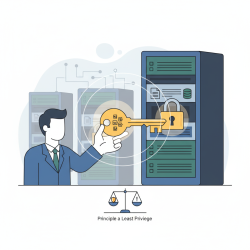
One of the most visible and constant tasks for administrators is managing who can do what within the system. This involves a granular approach to permissions and roles, ensuring that the principle of least privilege is applied – users only have access to what they absolutely need.
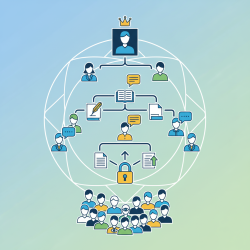
Administrators define user groups, assign specific permissions to these groups, and then place individual users into relevant groups. This structured approach simplifies management and enhances security. They also handle access requests, troubleshoot access issues, and conduct regular audits of user permissions to prevent unauthorized access.
Content and System Configuration
Beyond just user accounts, administrators manage the very fabric of the system. This includes configuring modules, plugins, themes, and extensions that dictate the system's functionality and appearance. They might set up content workflows, define publishing rules, and manage digital assets.
For content management systems, this means defining content types, taxonomies, and approval processes. For enterprise resource planning (ERP) systems, it involves configuring business rules, workflows, and integrations with other systems. The administrator ensures the system is tailored to support the organization's operations effectively.
Security and Compliance Oversight
Security is not a one-time setup; it's an ongoing vigilance. Administrators continuously monitor system logs for anomalies, implement intrusion detection systems, and respond to security alerts. They are responsible for educating users on security best practices and enforcing organizational security policies.
Compliance with industry standards (e.g., GDPR, HIPAA, PCI DSS) and internal governance is another critical aspect. Administrators must ensure the system's configuration and data handling practices meet these regulatory requirements, often collaborating with legal and compliance teams to maintain adherence.
Troubleshooting and Maintenance
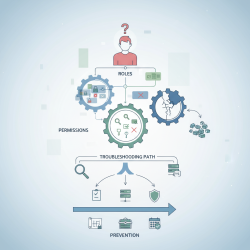
When issues arise, the administrator is typically the first point of contact and the ultimate problem solver. From diagnosing connectivity issues to resolving software bugs or performance bottlenecks, their technical expertise is indispensable. They perform routine maintenance tasks to keep the system running optimally.
This includes applying software updates, patching vulnerabilities, optimizing database performance, and freeing up storage space. Proactive maintenance helps prevent downtime and ensures a smooth, reliable user experience. They also manage system resources, monitor server loads, and scale infrastructure as needed.
Strategic Vision and Future Planning
An effective administrator does more than just maintain the current state; they also contribute to the future direction of the system. They evaluate new technologies, assess potential upgrades, and provide recommendations for system enhancements. Their insights are crucial for capacity planning and ensuring the system can scale with organizational growth.
By understanding both the technical capabilities and business needs, administrators bridge the gap between IT infrastructure and strategic objectives, ensuring the system remains a valuable asset that supports long-term goals.
Summary
The administrator role is a cornerstone of any digital operation, embodying comprehensive control and pivotal site management responsibilities. From meticulously managing user access and system configurations to vigilantly safeguarding against security threats and ensuring data integrity through backups, their duties are broad and continuous. Administrators are also key in troubleshooting issues, maintaining optimal performance, and contributing to the strategic evolution of the system. Their multifaceted expertise and dedication are essential for the stability, security, and success of the entire digital environment, making them indispensable to modern organizations.
Comprehension questions
 What is the fundamental difference between an administrator and a standard user?List three core responsibilities of an administrator related to system configuration and user management.Why is ongoing vigilance regarding security and compliance a critical aspect of an administrator's role?How do administrators contribute to the future planning and strategic vision of a digital system?
Community Poll
Next Lesson

Course Contents : WordPress User Roles and Permission
- >> 3.
 Comprehensive Control in the Administrator Role