Secure Role Assignment and User Management
- -->> 8. Secure Role Assignment and User Management
What you'll learn
 Principle of Least PrivilegeRole-Based Access Control (RBAC)Regular Security AuditsUser Training and Awareness
Assigning appropriate roles and maintaining stringent security measures are fundamental to protecting sensitive data, preventing unauthorized access, and ensuring the smooth operation of IT systems. Without a well-defined strategy, organizations risk vulnerabilities that can lead to data breaches, compliance violations, and significant financial and reputational damage. This article will explore key guidelines and principles for securely assigning roles and managing user access, emphasizing the importance of a proactive and systematic approach to security.
Understanding Role-Based Access Control (RBAC)
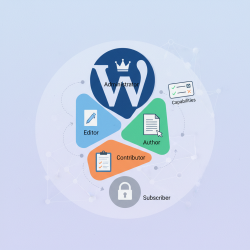
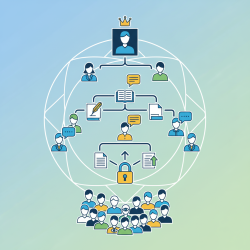
Role-Based Access Control (RBAC) is an access control mechanism that grants or restricts system access to users based on their assigned roles within an organization. Instead of granting permissions directly to individual users, permissions are grouped into roles, and users are then assigned to one or more roles. This method simplifies management, enhances security, and improves compliance by centralizing access decisions.
RBAC offers several advantages. It reduces the complexity of managing individual user permissions, especially in large organizations with frequent personnel changes. It also ensures consistency in access rights across users performing similar functions, minimizing the risk of misconfigurations. By clearly defining what each role can and cannot do, RBAC provides a transparent framework for security auditors and compliance officers.
The Principle of Least Privilege: A Cornerstone of Security
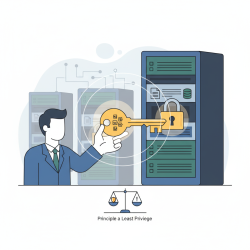
At the heart of secure role assignment lies the Principle of Least Privilege (PoLP). This fundamental security concept dictates that users, processes, and programs should be granted only the minimum level of access necessary to perform their intended functions, and no more. Adhering to PoLP significantly reduces the attack surface and limits the potential damage if an account is compromised or misused.
Applying PoLP means carefully evaluating the actual needs of each role. For instance, a data entry clerk does not need administrator privileges, nor does a marketing specialist require access to financial systems. Granting excessive permissions creates unnecessary risk. Regular reviews of existing privileges are also crucial to ensure that access rights remain appropriate as job responsibilities evolve.
Defining and Assigning Roles Effectively
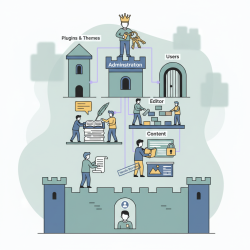
Effective role definition begins with a thorough understanding of organizational structure and business processes. Each role should correspond to a specific set of job responsibilities and associated access requirements. Generic or overly broad roles should be avoided. Instead, strive for granular roles that precisely reflect operational needs.
Consider the following steps for defining and assigning roles:
- Identify Key Functions: Break down organizational operations into distinct functional areas (e.g., HR, Finance, IT Support).
- Map Permissions to Functions: For each function, determine the specific resources, applications, and data that users in that function need to access and the actions they need to perform (read, write, delete).
- Create Granular Roles: Group these permissions into specific roles. For example, instead of a general "Finance User" role, create "Accounts Payable Clerk" and "Financial Analyst."
- Assign Roles to Users: Based on their job description, assign the most appropriate role(s) to each user. Avoid assigning multiple roles unnecessarily.
- Implement Segregation of Duties: Ensure that critical tasks are divided among different individuals and roles to prevent any single person from having control over an entire process. This reduces the risk of fraud and error.
Implementing Strong Authentication and Authorization
Beyond role assignment, robust authentication and authorization mechanisms are paramount. Authentication verifies a user's identity, while authorization determines what that authenticated user is permitted to do. Both are essential for maintaining security.
- Multi-Factor Authentication (MFA): Mandate MFA for all user accounts, especially those with elevated privileges. MFA adds an extra layer of security by requiring users to provide two or more verification factors to gain access.
- Strong Password Policies: Enforce policies requiring complex, unique passwords and regular password changes. Consider password managers to help users manage these.
- Single Sign-On (SSO): Implement SSO where appropriate to streamline user experience while maintaining centralized authentication control.
- Session Management: Configure secure session management, including idle session timeouts and automatic logouts, to prevent unauthorized access from unattended devices.
Regular Auditing and Review
Security is not a static state; it requires continuous monitoring and adaptation. Regular auditing and review of user roles and access permissions are indispensable. These activities help identify and rectify instances of privilege creep, detect unauthorized access attempts, and ensure ongoing compliance.
Conduct periodic access reviews, at least annually or whenever there are significant organizational changes. During these reviews, verify that each user's assigned roles and permissions are still appropriate for their current job responsibilities. Promptly revoke access for terminated employees and adjust permissions for employees whose roles have changed. Utilize logging and monitoring tools to track user activities and flag suspicious behavior for immediate investigation.
User Education and Awareness
Even the most sophisticated technical controls can be undermined by human error or negligence. User education and awareness training are critical components of a comprehensive security strategy. Users must understand their responsibilities in maintaining security and be aware of common threats like phishing and social engineering.
Regular training sessions should cover topics such as secure password practices, recognizing phishing attempts, data handling policies, and the importance of reporting suspicious activities. Foster a culture where security is everyone's responsibility, not just an IT department concern. Informed users are a powerful line of defense against cyber threats.
Summary
Effectively assigning roles and maintaining security is a multi-faceted endeavor requiring a strategic combination of policy, technology, and user awareness. By embracing Role-Based Access Control, strictly adhering to the Principle of Least Privilege, meticulously defining and assigning roles, implementing strong authentication, conducting regular audits, and continuously educating users, organizations can significantly bolster their security posture. These practices collectively ensure that access rights are appropriately managed, potential risks are minimized, and sensitive assets remain protected from unauthorized access and misuse, contributing to a secure and resilient operational environment.
Comprehension questions
 What is the primary benefit of using Role-Based Access Control (RBAC) in user management?Explain the Principle of Least Privilege and why it is considered a cornerstone of security.What are two key steps an organization should take when defining and assigning roles effectively?Why is user education and awareness considered a critical component of a comprehensive security strategy?
Community Poll
Next Lesson

Course Contents : WordPress User Roles and Permission
- >> 8.
 Secure Role Assignment and User Management