Customization and Development Workflow Differences
- -->> 5. Customization and Development Workflow Differences
What you'll learn
 Open Source CustomizationDevelopment Workflow Best PracticesModular ArchitectureCommunity Collaboration
Open source software thrives on community, innovation, and, crucially, flexibility. For developers engaging with or contributing to open source projects, understanding the nuances of customization and establishing an efficient development workflow are paramount. This deep dive will explore how thoughtful design for extensibility, combined with disciplined workflow practices, not only enhances a project's adaptability but also fosters a more vibrant and sustainable ecosystem for contributors and users alike.
Understanding Customization in Open Source
Customization is the ability to modify or extend software to suit specific needs or preferences. In open source, this goes beyond simple configuration changes; it encompasses adding new features, altering user interfaces, integrating with other systems, or even changing core logic.
Its importance cannot be overstated. Robust customization capabilities broaden a project's appeal, encourage diverse contributions, and allow it to adapt to a wider range of use cases without fragmenting the codebase. It empowers users to tailor the software precisely to their unique environments.
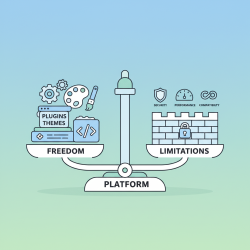
However, it presents unique challenges. Developers must design for extensibility without introducing unnecessary complexity. Maintaining compatibility with upstream changes while managing custom modifications is a constant balancing act, requiring careful versioning and clear documentation of customization points. Without proper planning, customizations can become brittle and difficult to maintain.
Core Principles of an Efficient Development Workflow
A well-defined development workflow is the backbone of any successful open source project, ensuring collaboration is smooth and contributions are high-quality.
- Version Control Mastery: Git is the undisputed standard. A robust workflow includes clear branching strategies (e.g., Gitflow, GitHub Flow), consistent commit messages, and regular merging or rebasing to stay current with the main branch. This prevents conflicts and tracks changes effectively.
- Issue Tracking and Project Management: Tools like GitHub Issues, Jira, or Trello are vital for organizing tasks, bug reports, and feature requests. A clear system ensures that priorities are understood, progress is tracked, and no contribution efforts are duplicated.
- Code Review Processes: Pull Requests (PRs) are central. They facilitate peer review, improve code quality, share knowledge, and ensure new contributions align with project standards and architectural goals. Clear guidelines for reviews foster constructive feedback.
- Automated Testing: Implementing unit, integration, and end-to-end tests is critical. Automated tests catch regressions early, ensure new features work as expected, and provide confidence when making changes, especially to core components or customization hooks.
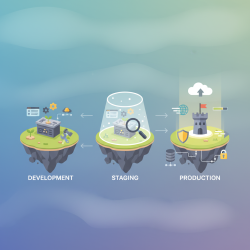
- Continuous Integration/Continuous Deployment (CI/CD): CI/CD pipelines automate the build, test, and deployment processes. This reduces manual errors, accelerates release cycles, and ensures that code changes are continuously validated, making integration of new features and customizations smoother.
Strategies for Effective Customization Design
Designing an open source project with customization in mind from its inception is crucial for its long-term viability and community engagement.
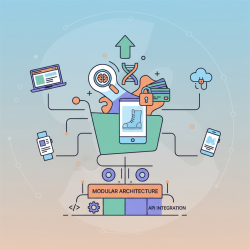
- Modular Architecture: Breaking down the software into independent, interchangeable modules or components simplifies development and allows for targeted customization. Changes in one module are less likely to impact others, making the system more robust and easier to extend.
- Configuration over Code: Whenever possible, allow users to customize behavior through configuration files, environment variables, or administrative interfaces rather than modifying source code directly. This approach is significantly more maintainable and upgrade-friendly.
- Clear API Design: For more complex customizations, provide well-defined, stable Application Programming Interfaces (APIs). These interfaces act as official gateways for extending functionality, ensuring that custom code interacts predictably with the core system. Documenting these APIs thoroughly is essential.
- Plugin/Extension Frameworks: Building a dedicated plugin or extension architecture empowers the community to create and share their own enhancements. This often involves defined hooks, interfaces, and a loading mechanism that allows external code to integrate seamlessly.
- Comprehensive Documentation: This cannot be overstressed. Detailed guides on how to customize, extend, and integrate with the project are indispensable. This includes API references, examples, and troubleshooting tips, empowering developers to leverage customization points effectively.
Community and Collaboration in Customization
Open source projects thrive on collaboration, and this extends directly to customization efforts. Clear communication channels, well-defined contribution guidelines, and a responsive review process are vital. When a community member creates a valuable customization, fostering a path for it to potentially be integrated upstream, or at least be easily maintained as an external plugin, strengthens the entire project. Managing forks and pull requests effectively, providing constructive feedback, and encouraging shared best practices ensure that custom solutions contribute positively to the ecosystem.
Summary
In conclusion, mastering customization and streamlining development workflows are fundamental for open source developers. By embracing modular design, configuration over code, clear APIs, and robust plugin architectures, projects become more adaptable. Coupled with disciplined workflows involving strong version control, automated testing, and CI/CD, these practices foster a resilient, collaborative, and sustainable open source environment.
Comprehension questions
 What are some key challenges open source developers face when implementing customization features?Name three core components of a strong development workflow discussed in the article.How does a modular design approach benefit customization in open source projects?Why is comprehensive documentation particularly crucial for open source projects with customization features?
Community Poll
Next Lesson
Course Contents : WordPress.org vs. WordPress.com
- >> 5.
 Customization and Development Workflow Differences