WordPress Threat Motivations and Attack Vectors
- -->> 1. WordPress Threat Motivations and Attack Vectors
What you'll learn
 WordPress Threat LandscapeCommon Attack VectorsMotivations for Cyber AttacksEvolving Cyber Threats
WordPress powers over 43% of all websites on the internet, making it an incredibly popular and powerful content management system. This widespread adoption, while a testament to its flexibility and user-friendliness, also positions it as a prime target for malicious actors. Understanding the current threat landscape targeting WordPress isn't just about identifying vulnerabilities; it's about delving into the multifaceted motivations that drive cybercriminals, hacktivists, and other malicious entities to exploit this platform. From sophisticated state-sponsored attacks to opportunistic script kiddies, the reasons behind breaching a WordPress site are as diverse as the attacks themselves, constantly evolving with technological advancements and global events.
The Pervasive Target: Why WordPress?
The sheer scale of WordPress installations presents an irresistible target. A vulnerability discovered in a widely used plugin or theme can instantly expose millions of websites to potential compromise. This makes WordPress an appealing target for automated attacks that scan for known weaknesses, allowing attackers to compromise a large number of sites with minimal effort. The open-source nature, while fostering innovation and security through community oversight, also means that vulnerabilities, once identified, can be quickly exploited globally.
Common Attack Vectors Exploiting WordPress
The methods employed by attackers are varied and often interconnected. Recognizing these vectors is crucial for understanding the defensive measures required.
- Vulnerable Plugins and Themes: This is arguably the most common entry point. Poorly coded, outdated, or abandoned plugins and themes often contain security flaws (like SQL injection, XSS, or arbitrary file upload vulnerabilities) that attackers actively seek and exploit.
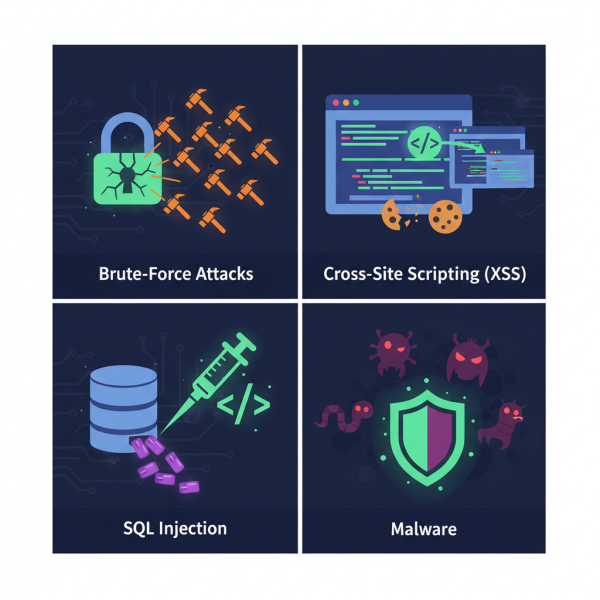
- Brute-Force Attacks: Attackers attempt to gain access by repeatedly guessing usernames and passwords. Weak or easily guessable credentials remain a significant risk, especially for administrator accounts.
- Cross-Site Scripting (XSS): Involves injecting malicious client-side scripts into web pages viewed by other users. This can lead to session hijacking, defacement, or redirection to malicious sites.
- SQL Injection: Targets the database behind the WordPress site, allowing attackers to execute malicious SQL queries. This can lead to data theft, alteration, or even full site compromise.
- Denial of Service (DoS/DDoS): Overwhelming a website with traffic or requests to make it unavailable to legitimate users. While not always directly compromising data, it can severely impact business operations and reputation.
- Malware and Backdoor Injections: Once access is gained, attackers often install backdoors or malware to maintain persistent access, steal data, or use the site for further malicious activities.
Motivations Behind WordPress Cyber Attacks
The "why" behind an attack often dictates the "how" and "what" an attacker seeks to achieve. Understanding these motivations is key to anticipating threats.
Financial Gain
Monetary profit is a primary driver for a significant portion of cyberattacks. Compromised WordPress sites can be leveraged in numerous ways:
- SEO Spam and Redirection: Injecting spam links into content or redirecting visitors to malicious sites to boost their own rankings or distribute malware.
- Phishing Campaigns: Using compromised sites to host fake login pages to trick users into revealing sensitive information.
- E-commerce Data Theft: For online stores, attackers aim to steal customer credit card details and personal information.
- Ransomware: Encrypting website data and demanding a ransom for its release, though less common directly on WordPress installations, it can affect underlying servers.
- Cryptojacking: Installing scripts that surreptitiously use a visitor's computer resources to mine cryptocurrency, often slowing down the user's device.
Resource Exploitation
Beyond direct financial gain, attackers often seek to commandeer a site's resources.
Compromised WordPress sites can be incorporated into botnets, networks of infected computers used to launch larger-scale attacks like DDoS campaigns, send spam emails, or distribute more malware without the site owner's knowledge. The computational power and bandwidth of a compromised server are valuable commodities in the underground economy.
Reputation Damage and Vandalism (Hacktivism)
Some attackers are driven by ideological, political, or personal grievances. These attacks often aim to:
- Deface Websites: Altering the homepage or specific pages to display messages, images, or propaganda.
- Disrupt Services: Taking down a website to protest or make a statement against an organization or individual.
- Leak Sensitive Information: Exposing private data to embarrass or discredit a target.
While not always financially motivated, the impact on a business's reputation and user trust can be severe and long-lasting.
Espionage and Data Collection
For high-value targets, state-sponsored actors or corporate spies might target WordPress sites to gain access to sensitive information. This could involve:
- Intellectual Property Theft: Stealing proprietary designs, research, or business strategies.
- Customer Data Exfiltration: Gaining access to extensive databases of user information for various malicious purposes.
- Monitoring Communications: Installing eavesdropping tools to intercept emails or internal communications.
These attacks are often highly sophisticated and stealthy, designed to remain undetected for extended periods.
Testing Skills and Bragging Rights
A subset of attackers, often referred to as "script kiddies" or aspiring hackers, may target WordPress sites simply for the challenge or to test their skills. They might exploit readily available tools and scripts to breach sites and then leave a calling card or deface the site, seeking recognition within hacker communities. While less sophisticated, these opportunistic attacks can still cause significant damage and disruption.
Evolving Threat Landscape
The threat landscape is dynamic. Attackers are constantly refining their methods, automating vulnerability scanning, and developing new exploits. The rapid pace of WordPress and plugin updates is a direct response to this ongoing arms race. Artificial intelligence and machine learning are increasingly being employed by both defenders and attackers, leading to more sophisticated phishing campaigns, smarter malware, and more effective automated attacks.
Conclusion
The current threat landscape targeting WordPress is complex and driven by a multitude of motivations, ranging from direct financial gain and resource exploitation to ideological statements and personal challenges. The platform's popularity and extensive ecosystem make it an attractive target for various attack vectors, particularly vulnerable plugins and themes, brute-force attempts, and injection attacks. Staying ahead requires not only robust security practices but also a deep understanding of the adversaries' goals to build truly resilient digital defenses against an ever-evolving array of threats.
Comprehension questions
 What makes WordPress a particularly attractive target for cyber attackers according to the article?List three common attack vectors used against WordPress sites.Beyond financial gain, what are two other significant motivations for cyber attacks targeting WordPress?How do attackers exploit compromised WordPress sites for resource exploitation?
Community Poll
Next Lesson
Course Contents : WordPress Security Essentials
- >> 1.
 WordPress Threat Motivations and Attack Vectors