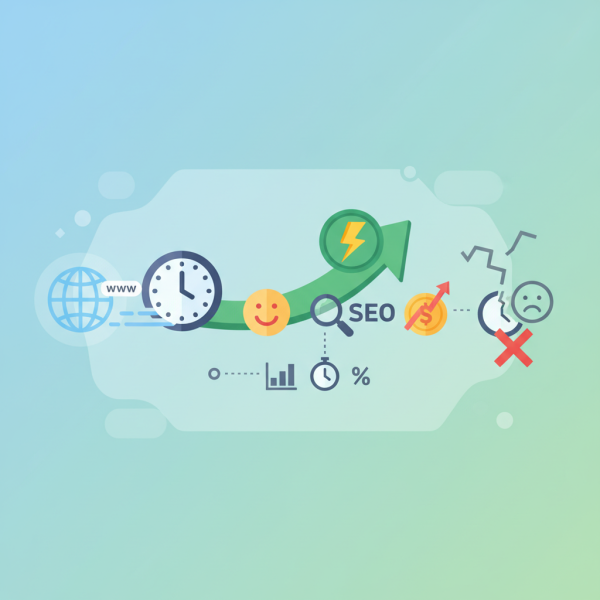
Boosting Engagement, SEO, and Conversions
- -->> 1. Boosting Engagement, SEO, and Conversions
What you'll learn
 Impact on User ExperienceSEO AdvantagesConversion Rate OptimizationPerformance Metrics and Optimization
Users expect instantaneous experiences, and search engines prioritize sites that deliver them. Understanding why website speed is critical for user engagement, search engine optimization (SEO), and ultimately, conversion rates, is essential for anyone building or managing an online presence. This article will delve into the multifaceted importance of web performance, exploring its impact across various crucial aspects of a digital strategy.
What is Web Performance?
Web performance refers to how quickly website content loads and displays in a user's browser. It encompasses various metrics, from the time it takes for the first byte of data to arrive (Time to First Byte - TTFB) to the point where the page is fully interactive (Time to Interactive - TTI). It's about optimizing the user's experience from the moment they click a link to when they can fully engage with the site's content.
High web performance means a smooth, responsive, and efficient browsing experience. Conversely, poor performance leads to frustration, abandonment, and missed opportunities. It's a measure of efficiency and effectiveness, directly influencing how users perceive and interact with your brand online.
The User Experience Impact
The immediate and most visible impact of web performance is on user experience (UX). Users have a low tolerance for slow-loading pages. Studies consistently show that even a few seconds' delay can lead to a significant drop-off in visitors. A quick website feels professional, reliable, and user-friendly, encouraging visitors to stay longer, explore more pages, and engage with the content.
Conversely, a slow website creates a negative impression. Visitors might assume the site is broken, outdated, or simply not worth their time. This initial negative interaction can severely damage brand perception and make it difficult to regain user trust. Responsiveness and speed are key components of a satisfying user journey, fostering loyalty and repeat visits.
SEO Benefits of Fast Websites
Search engines like Google use page speed as a ranking factor. Faster websites are generally preferred and ranked higher in search results. This is because search engines aim to provide the best possible experience to their users, and a fast-loading website contributes directly to that goal. Improved rankings mean greater visibility, attracting more organic traffic to your site.
Beyond direct ranking signals, page speed indirectly affects SEO through other metrics. For example, faster sites typically have lower bounce rates (users leaving after viewing only one page) and higher time-on-site metrics. These positive user engagement signals tell search engines that your content is valuable, further boosting your SEO performance. Google's Core Web Vitals initiative explicitly emphasizes metrics related to loading performance, interactivity, and visual stability, solidifying speed's role in SEO.
Driving Conversions and Revenue
The ultimate goal for many websites, especially e-commerce platforms and lead generation sites, is conversion. Whether it's making a purchase, filling out a form, subscribing to a newsletter, or downloading a resource, page speed plays a critical role in influencing conversion rates. A slow checkout process or a sluggish landing page can directly lead to abandoned carts and lost leads.
Even small improvements in page load time can translate into significant gains in conversion rates and, consequently, revenue. Users are more likely to complete desired actions when the process is seamless and quick. A frictionless experience builds trust and confidence, making visitors more comfortable committing to a purchase or sharing their information.
Key Metrics for Web Performance
Understanding web performance requires tracking specific metrics. These are some of the most important:
- First Contentful Paint (FCP): Measures the time from when the page starts loading to when any part of the page's content is rendered on the screen.
- Largest Contentful Paint (LCP): Measures the render time of the largest image or text block visible within the viewport. This is a crucial indicator of perceived load speed.
- Time to Interactive (TTI): Measures the time until the page is fully interactive, meaning users can click buttons, type into fields, and so on.
- Cumulative Layout Shift (CLS): Quantifies unexpected layout shifts of visual page content. A low CLS score means the page is visually stable.
- Total Blocking Time (TBT): Measures the total amount of time a page is blocked from responding to user input.
Common Causes of Slow Websites
Several factors can contribute to a website's sluggish performance:
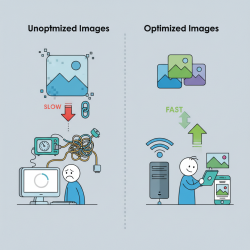
- Unoptimized Images: Large, uncompressed images are often the biggest culprits.
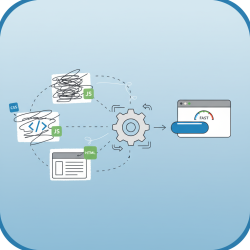
- Render-Blocking JavaScript and CSS: Scripts and stylesheets that prevent the page from rendering quickly.
- Excessive Server Requests: Too many HTTP requests for various resources.
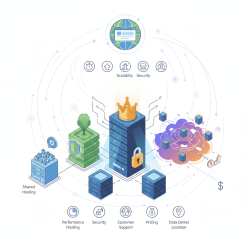
- Poor Hosting: Inadequate server response times or insufficient server resources.
- Lack of Caching: Not utilizing browser or server-side caching to store frequently accessed data.
- Unoptimized Code: Bloated or inefficient HTML, CSS, or JavaScript code.
Strategies for Improvement
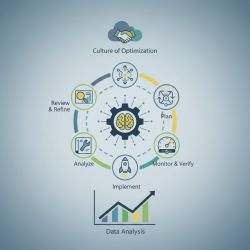
Optimizing web performance involves a multi-faceted approach. Prioritizing these strategies can lead to significant speed gains:
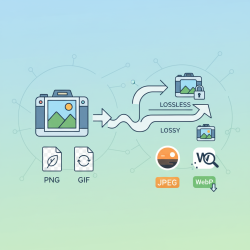
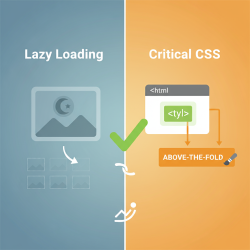
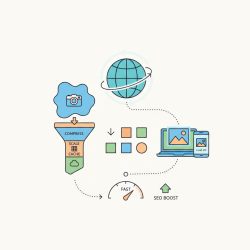
Image Optimization: Compress images without sacrificing quality, use modern formats like WebP, and implement lazy loading so images only load when they enter the viewport.
Minification and Compression: Reduce the size of HTML, CSS, and JavaScript files by removing unnecessary characters (minification) and enabling GZIP compression on the server.
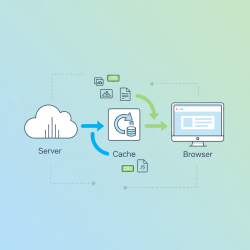
Leverage Browser Caching: Configure server headers to instruct browsers to store static assets locally, reducing the need to re-download them on subsequent visits.
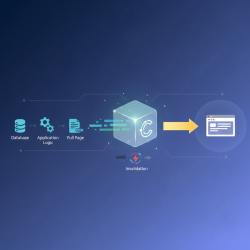
Optimize Server Response Time: Upgrade hosting, optimize database queries, and use a Content Delivery Network (CDN) to distribute content closer to users, reducing latency.
Prioritize Critical Rendering Path: Structure your HTML, CSS, and JavaScript to load critical content first, providing a faster perceived load time for users.
Reduce Render-Blocking Resources: Defer non-critical JavaScript and CSS, or make them asynchronous, so they don't block the initial rendering of the page.
Conclusion
In conclusion, website speed is paramount for success in the digital age, influencing everything from how users perceive a brand to its visibility in search engines and its ability to generate revenue. Investing in web performance optimization is not just a technical task; it's a strategic imperative that directly impacts user engagement, enhances SEO rankings, and ultimately drives higher conversion rates. By understanding the key metrics and implementing effective optimization strategies, businesses can ensure their online presence is not only functional but also fast, responsive, and highly effective.
Comprehension questions
 What are the three main areas where website speed is identified as critical for online success?How does poor web performance negatively affect user experience and brand perception?Name two key web performance metrics related to loading speed and explain what they measure.List three common causes of slow websites and provide one strategy to improve each.
Community Poll
Next Lesson

Course Contents : Website Speed Performance Optimization
- >> 1.
 Boosting Engagement, SEO, and Conversions