Optimizing Web Performance with Content Delivery Networks
- -->> 5. Optimizing Web Performance with Content Delivery Networks
What you'll learn
 Global Content DistributionLatency ReductionImproved Load TimesEnhanced Web Performance
Users expect immediate access to information, and slow loading times can quickly lead to frustration and lost engagement. This is where Content Delivery Networks, or CDNs, emerge as a crucial technology, designed to revolutionize how digital content is delivered to users worldwide, significantly reducing latency and dramatically improving page load speeds.
What is a Content Delivery Network (CDN)?
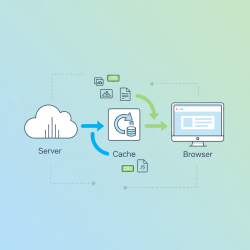
A CDN is essentially a geographically distributed network of proxy servers and data centers. Its primary goal is to provide high availability and performance by distributing service spatially relative to end-users. Instead of users accessing content from a single origin server, a CDN directs them to the closest available server, an "edge server," which holds cached copies of the website's static and sometimes dynamic content.
The Global Distribution Model: How CDNs Operate
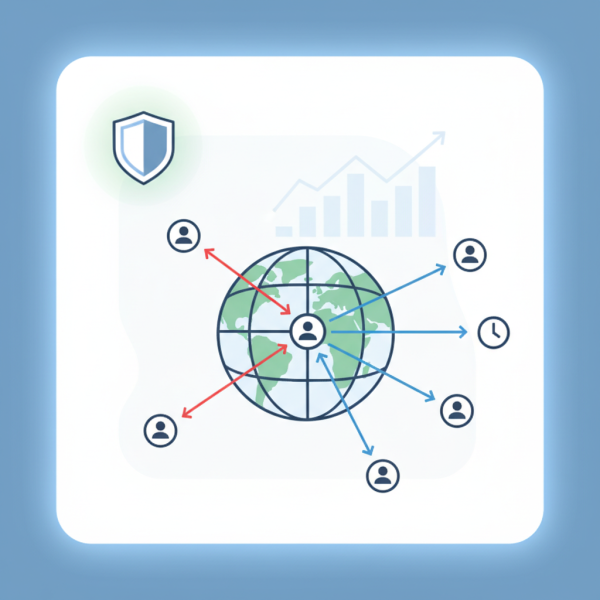
The core principle of a CDN lies in its global reach. When a user requests content, the CDN's intelligent routing system identifies their geographical location. It then directs the request to the nearest "Point of Presence" (PoP) or edge server within its network. These edge servers cache content such as images, videos, stylesheets, JavaScript files, and even HTML pages. This means the content travels a much shorter distance, bypassing the need to fetch it directly from the origin server, which could be thousands of miles away.
This distribution model minimizes the number of hops a data packet needs to make across the internet. It significantly reduces what is known as "network latency" – the delay before a transfer of data begins following an instruction for its transfer. By serving content from a server physically closer to the user, the time taken for data to reach the user's device is drastically cut, resulting in a snappier and more responsive browsing experience.
Transformative Benefits of Leveraging a CDN
Reduced Latency and Faster Load Times
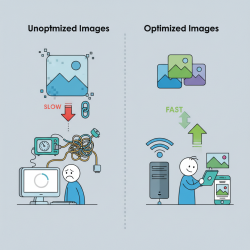
This is arguably the most significant advantage. By serving content from edge servers closer to the user, the physical distance data must travel is minimized. This directly translates to lower latency and faster page load times. Websites become more responsive, leading to lower bounce rates and higher user satisfaction.
Enhanced User Experience (UX)
A fast-loading website contributes directly to a positive user experience. Users are more likely to stay on a site, engage with its content, and return in the future if they don't have to wait. This improved UX can lead to higher conversion rates for e-commerce sites and greater audience retention for content platforms.
Increased Scalability and Reliability
CDNs are built to handle high traffic volumes. By distributing content across many servers, they can easily absorb traffic spikes that might overwhelm a single origin server. This scalability ensures that your website remains accessible and performs optimally even during peak demand or unexpected surges in visitors. Furthermore, if one edge server experiences an issue, others can seamlessly take over, providing a robust level of redundancy and ensuring continuous content availability.
Improved Security
Many CDNs offer integrated security features, such as DDoS mitigation, web application firewalls (WAFs), and bot management. By filtering malicious traffic at the edge, before it reaches your origin server, CDNs add a crucial layer of defense against various cyber threats, protecting your infrastructure and ensuring the integrity of your content.
Common Content Types Delivered by CDNs
- Images (JPG, PNG, GIF, SVG)
- Videos and audio files
- CSS stylesheets
- JavaScript files
- Static HTML pages
- Software downloads and applications
Key Considerations When Choosing a CDN
Selecting the right CDN provider depends on specific needs. Factors such as the geographical distribution of your audience, the types of content you serve, budget constraints, and desired security features all play a role. It's important to evaluate the network's global reach, the features offered (e.g., analytics, real-time logging, security add-ons), and the pricing model before making a decision.
Implementing a CDN: A Simplified Overview
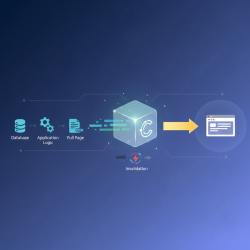
The implementation process generally involves signing up with a CDN provider, configuring your domain's DNS records to point to the CDN, and ensuring your website's assets are correctly referenced. The CDN then automatically pulls content from your origin server, caches it across its network, and begins serving it to users from the closest edge server.
Conclusion
In summary, Content Delivery Networks are indispensable tools in modern web infrastructure, providing a powerful solution to the challenges of global content distribution. By strategically placing content closer to end-users, CDNs drastically reduce latency, accelerate load times, enhance security, and ensure high availability, ultimately delivering a superior and seamless digital experience for users worldwide.
Comprehension questions
 What is the primary goal of a Content Delivery Network (CDN) and how does it achieve this?List three key benefits a website can gain by implementing a Content Delivery Network.How do CDNs contribute to improved website security beyond just speeding up content delivery?
Community Poll
Next Lesson
Course Contents : Website Speed Performance Optimization
- >> 5.
 Optimizing Web Performance with Content Delivery Networks